Sustainable Construction & Circular Economy: The Role of Green Concrete in Shaping Dubai’s Net Zero Future

Sustainable Construction & Circular Economy: The Role of Green Concrete in Shaping Dubai’s Net Zero Future

Uncategorized

Dubai is accelerating its journey toward a smarter, greener future, one built on innovation, sustainability, and efficient resource management. With the UAE’s Net Zero 2050 Strategy and the Circular Economy Policy 2021–2031, the construction sector plays a pivotal role in reducing carbon emissions and minimizing waste.
An essential key factor in this transformation is green concrete, especially when manufactured from recycled construction and demolition (C&D) waste.

This blog explores how green concrete supports sustainable construction, reduces landfill pressure, and reinforces the circular economy model in Dubai.

1. How Green Concrete Supports Dubai’s Net Zero 2050 Strategy

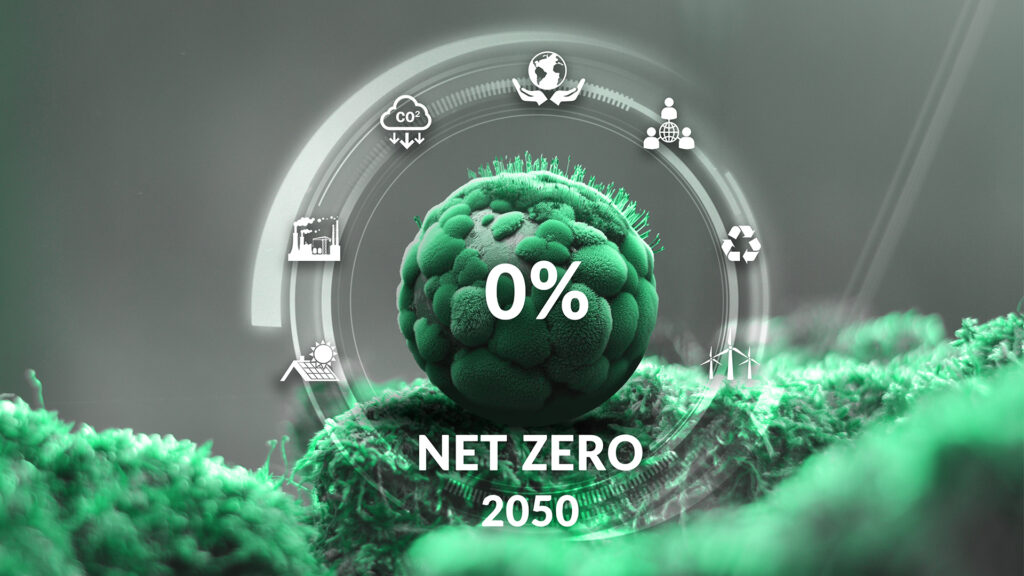
net zero 2050 - Ducon Green

As Dubai pursues its Net Zero 2050 target, the construction sector, one of the largest emitters must adopt greener alternatives to traditional cement.

Why green concrete matters for Net Zero

Green concrete uses recycled aggregates derived from C&D waste, reducing dependence on virgin raw materials. Its production:

    • Requires less energy,
    • Results in lower CO₂ emissions
    • Supports low-carbon construction.

Key advantages for policymakers & developers

  • Reduces carbon footprint in public infrastructure projects
  • Aligns with Dubai Municipality’s green building regulations
  • Supports sustainable procurement strategies
  • Enhances material efficiency and resource conservation

Using green concrete at scale can significantly accelerate Dubai’s transition toward its 2050 carbon neutrality commitment.

2. The Role of Construction Waste Recycling in Achieving a Circular Economy in the UAE

Construction and demolition waste represents a major challenge, but also a major opportunity.

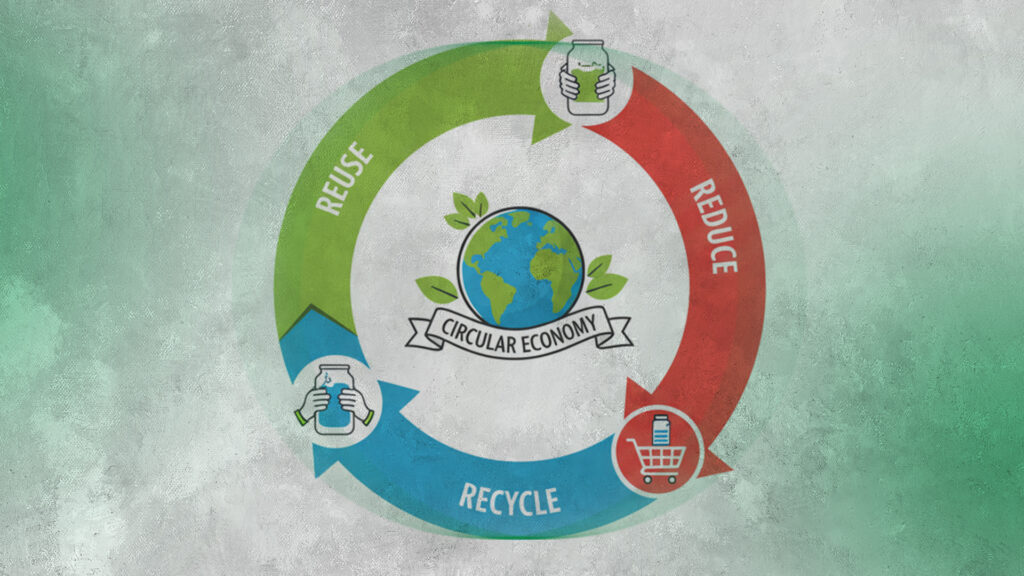
Circular economy principles in C&D waste management

Green concrete in UAE

The UAE’s Circular Economy Policy encourages:

  • Reuse of materials

  • Recycling of C&D waste into new building materials

  • Reduction of landfill disposal


By converting waste into usable aggregates, recycling plants like Ducon Green turn linear waste processes into circular value streams.

Benefits of C&D recycling in the UAE

  • Lower reliance on natural resources


  • Extended lifespan of landfills


  • Reduced environmental degradation


  • Stronger supply chains with sustainable materials


  • Enhanced resilience of the infrastructure sector


This model transforms waste from a liability into a valuable resource, fueling a regenerative, circular economy.

At Ducon Industries, we follow this same circular process—Ducon Eco → Ducon Green → Ducon IndDucon ODL → Ducon Force—closing the loop by turning demolition waste into new building materials and sustainable outdoor solutions.

3. Why Green Concrete Is the Future of Sustainable Infrastructure in Dubai

As Dubai builds world-class roads, bridges, and smart city developments, it needs materials that are both high-performing and environmentally responsible.

Performance advantages of green concrete

Contrary to outdated misconceptions, recycled concrete is:

  • Highly durable


  • Strong and reliable


  • Suitable for large-scale infrastructure


Resistant to harsh climate conditions

With continuous innovation and compliance with UAE standards, green concrete is equally capable, if not superior, to traditional concrete.

Why Dubai is adopting it rapidly

  • Rising demand for sustainable urban development

  • Growing governmental push for eco-friendly materials

  • Increasing awareness among contractors and consultants

  • Alignment with global green building certifications

Green concrete is not just an alternative. It is the material foundation of Dubai’s sustainable future.

4. From Waste to Resource: How C&D Recycling Reduces Dubai’s Landfill Burden

Dubai produces millions of tons of construction waste every year. Without proper recycling, this waste contributes to:

  • Land depletion,


  • Environmental pollution


  • Increased greenhouse gases


  • High operational costs for waste management.

How recycling reduces landfill pressure

Recycling transforms discarded concrete into new building materials, contributing to a zero-waste ecosystem. This shift helps:

  • Preserve valuable land resources

  • Limit harmful emissions from landfills

  • Extend landfill life expectancy

  • Support environmental conservation

C&D recycling plants divert massive quantities of rubble away from landfills—positioning Dubai as a regional leader in sustainable waste management.

5. The Economic Impact of Using Recycled Concrete in Mega Projects

Large-scale infrastructure projects—from highways to residential communities—can significantly reduce costs by using recycled aggregates and green concrete.

Economic benefits for developers & government

  • Lower material costs compared to virgin aggregates

  • Reduced transportation costs due to local supply

  • Lower disposal fees through waste minimization

  • Enhanced ROI in public-sector green initiatives

Long-term financial advantages

  • Improved building lifecycle performance

  • Reduced carbon-related compliance costs

  • Stronger eligibility for sustainability certifications

  • Enhanced asset value and ESG profiles

For mega projects, even a small shift toward green materials can lead to millions in cost savings while improving environmental performance.

Green concrete and C&D waste recycling are no longer optional, they are essential pillars of Dubai’s sustainable construction landscape. By embracing recycled materials, the city strengthens its circular economy, accelerates its Net Zero 2050 goals, and sets new benchmarks for responsible urban development.

For policymakers, sustainability leaders, and construction stakeholders, the message is clear:
Green concrete is the path forward economically, environmentally, and strategically.